What to Do If You Lose Your Keys: Immediate Action Guide
Losing your house keys creates an immediate security challenge, whether you are stranded outside your property or suspect your keys were misplaced elsewhere. Taking systematic, calm steps allows you to secure your home, prevent unauthorized entry, and regain access efficiently.

1. Ensure Immediate Safety and Retrace Your Steps
When you realize your keys are missing, prioritize personal safety—especially at night. Wait in a well-lit area, a nearby open venue, or with a trusted neighbor.
Once secure, retrace your steps systematically:
- Audit Recent Locations: Search vehicle seats, deep coat pockets, bag linings, and recent counters.
- Contact Recent Venues: Call public transport operators, shops, or workplaces you visited recently to check lost-and-found registers.
- Check External Entrances Carefully: Check side gates or ground-floor doors without forcing hardware open. Avoid breaking windows or picking mechanisms yourself, as this often causes expensive frame damage and raises local security concerns.
2. Check for Emergency Spare Key Access
Before scheduling lock alterations, determine if a spare key is accessible:
- Trusted Keyholders: Contact family members, neighbors, or friends holding duplicate keys.
- Key Safes: If a secure key safe is installed outside, retrieve the backup set using your combination code.
If you are a tenant, contact your landlord or letting agency. Property managers frequently hold master duplicates or spare sets and can assist during office hours.
3. Assess the Security Risk: Lost vs Stolen Keys
The primary decision factor following key loss is evaluating the risk of unauthorized access.
Misplaced Keys (Low Identification Risk)
If keys dropped out of a pocket far from your residential area with zero attached identification, the probability of someone identifying your property is relatively low. If entry is gained via a spare key, immediate lock replacement may not be strictly compulsory, provided no identifying markers existed.
Stolen or Identifiable Keys (High Security Risk)
Lock replacement becomes vital if your keys were stolen, especially when the key ring included items revealing your address, such as mail, gym fobs, or vehicle registration tags. Consider replacing locks if keys were lost near your front door or driveway, as someone could identify your property. If theft is suspected, report it to the police and obtain a crime reference number.
4. Decide Between Lock Replacement and Rekeying
To secure a building after key loss, the locking mechanism must be altered so the missing key no longer functions.
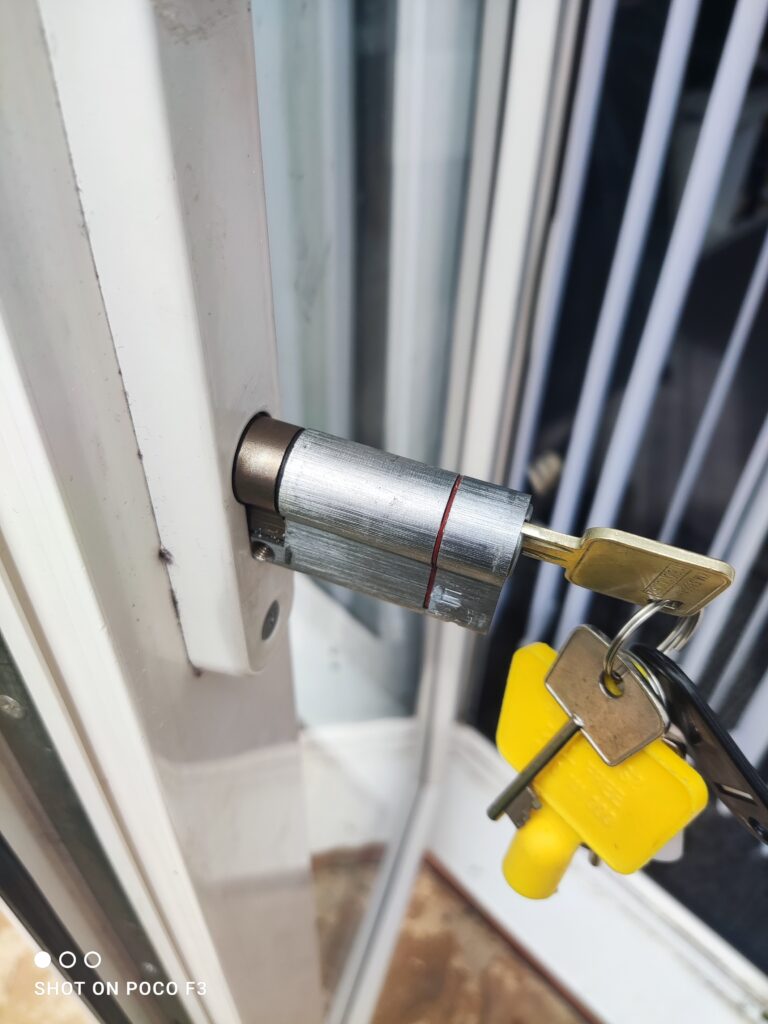
- Lock Rekeying: A locksmith reconfigures the internal pins inside the existing euro cylinder or lever mechanism. New keys are issued, and old keys stop working. This preserves high-grade existing ironmongery.
- Full Lock Replacement: The existing cylinder or mortice lock assembly is completely removed and replaced with brand-new physical hardware.
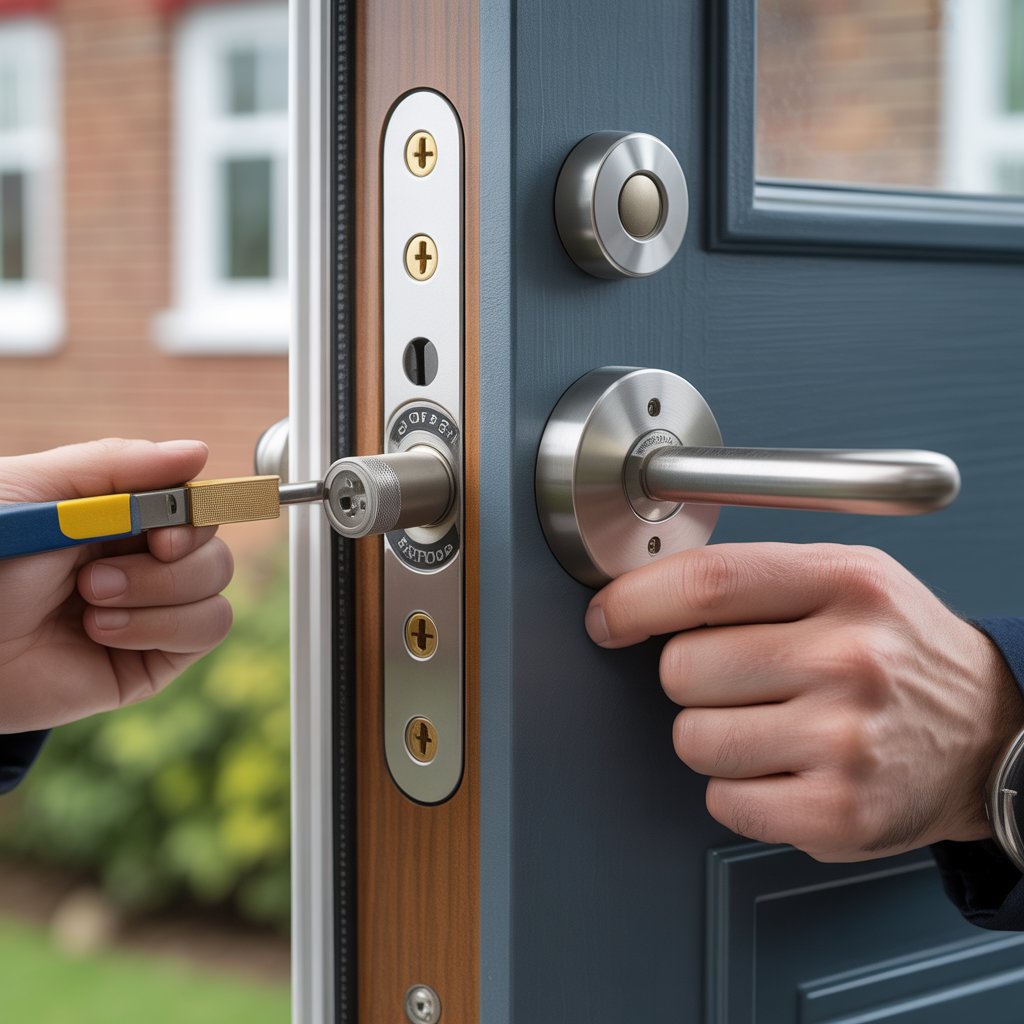
For uPVC or composite doors, fitting an anti-snap TS007 3-star rated euro cylinder helps protect against forced-entry tactics. For traditional timber doors, installing a 5-lever mortice deadlock meeting British Standard BS3621 provides robust protection and supports ongoing policy compliance. For additional information about PIP Lockout’s locksmith services, visit our local business profile.

5. What to Do If You Are Locked Out Right Now
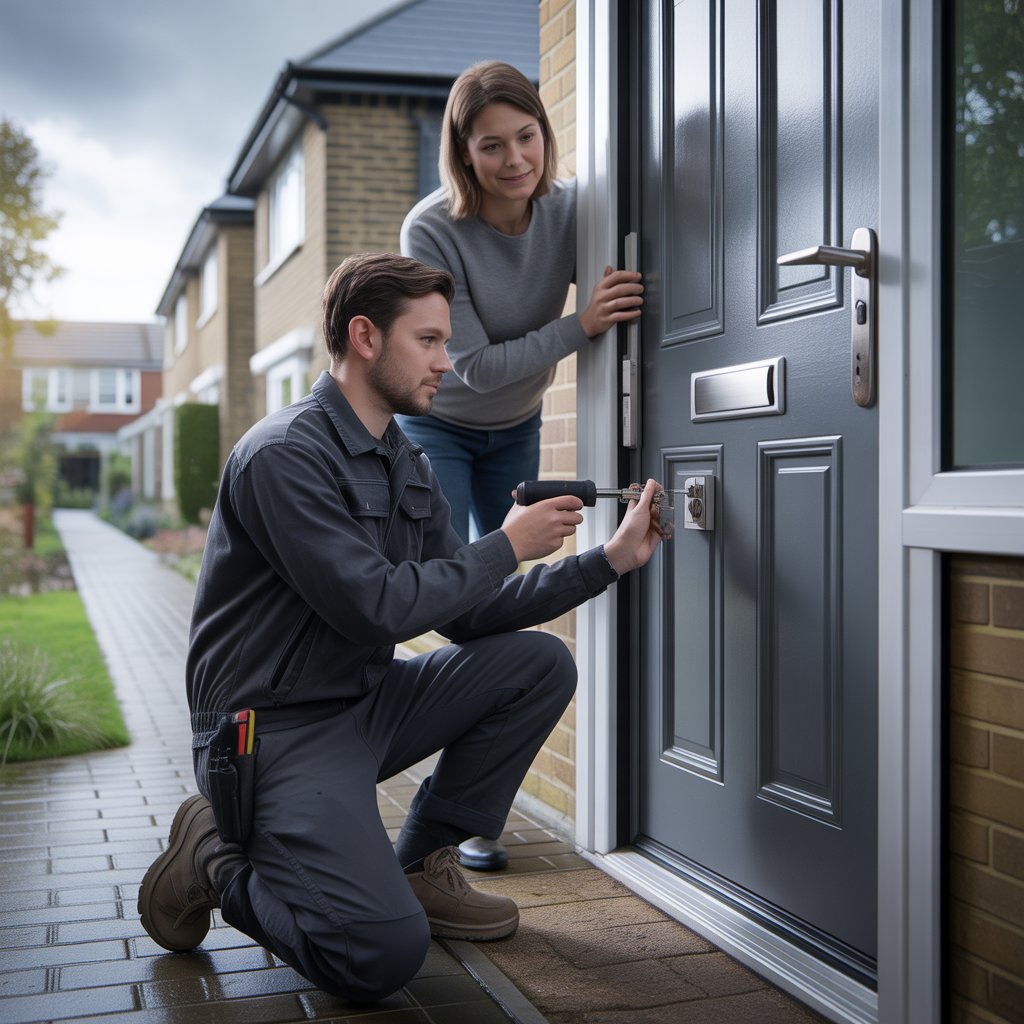
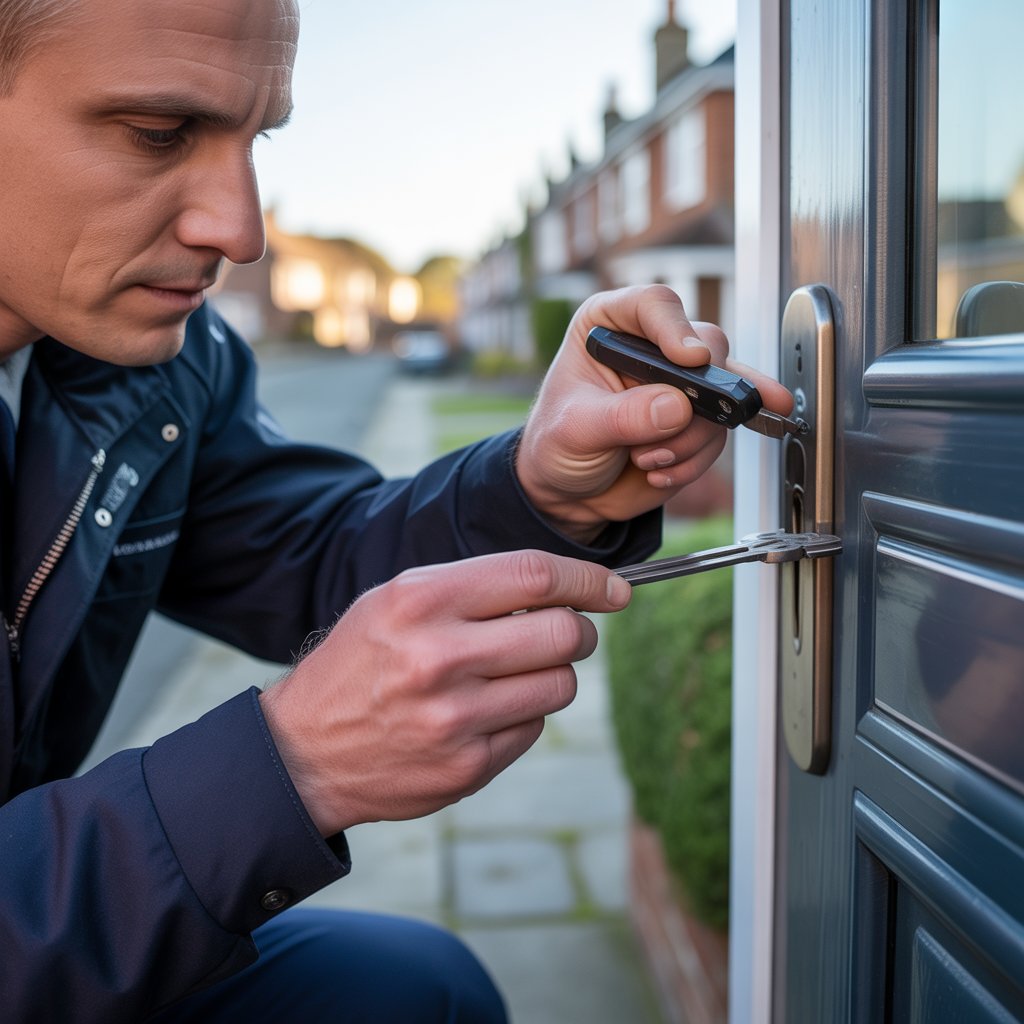
If you have no spare key and cannot enter your home, professional assistance is required. Contact a professional local locksmith to perform non-destructive entry. Experienced locksmiths utilize specialized decoding tools, lock picks, and bypass equipment to open door mechanisms cleanly, preserving the door structure and finish.
Before work begins, legitimate locksmith technicians will request proof of residency (such as a photo ID matching the address, a digital utility statement, or landlord confirmation) to verify authorized entry.
Regarding service costs, PIP Lockout does not charge a call-out fee. Charges are based on the labour time required on site and any hardware or parts installed. The final cost depends on the specific work required and is discussed before additional work is carried out.
6. Protocol for Rented Properties and Tenants
Tenants must navigate specific protocols when house keys go missing:
- Inform Property Management Promptly: Notify your landlord or letting agent immediately.
- Avoid Unauthorized Hardware Swaps: Tenancy agreements usually restrict changing locks without landlord consent.
- Approved Locksmith Execution: Landlords may authorize you to hire a vetted locksmith or dispatch their designated contractor. Ensure installed cylinders match original door specifications and duplicate keys are provided to the agency.
7. Insurance Policy Implications and Compliance
Most UK home insurance policies include coverage for key replacement under home emergency cover. However, if an unrecovered key is used to enter a property without signs of forced entry, insurers may invalidate subsequent theft claims due to unmitigated risk. Replacing affected cylinders promptly and keeping detailed locksmith invoices protects both physical premises and policy validity.

8. Practical Measures to Prevent Future Key Loss
Once secure access is restored, implement long-term preventative habits:
- Install a Digital Key Safe: Mount an outdoor code-operated key safe in a discreet location.
- Attach Bluetooth Trackers: Secure digital tracking tags (such as Apple AirTags or Tile units) to your main key ring.
- Establish Key Placement Routines: Keep a dedicated key hook inside your home and complete a mental check before leaving.
- Transition to Smart Locks: Keyless keypads or electronic smart handles allow secure access via PIN codes or mobile applications.