Hire a Locksmith | Choosing a Reliable Local Locksmith in the UK
In the United Kingdom, the locksmith industry operates without government-mandated licensing or statutory regulation. This regulatory landscape means that anyone can purchase lock-picking tools, set up an online presence, and offer services without formal training, criminal record vetting, or skills assessment. As a result, approximately 6,500 unregulated locksmiths are estimated to trade in the UK, making property owners vulnerable to sub-standard security work, excessive pricing, and rogue traders.
When homeowners or commercial operators require lock repairs, security upgrades, or emergency lockout assistance, they are granting a technician direct access to their properties. Hiring an unvetted or unqualified operator can lead to compromised security, voided home insurance policies, and damaged door mechanisms.
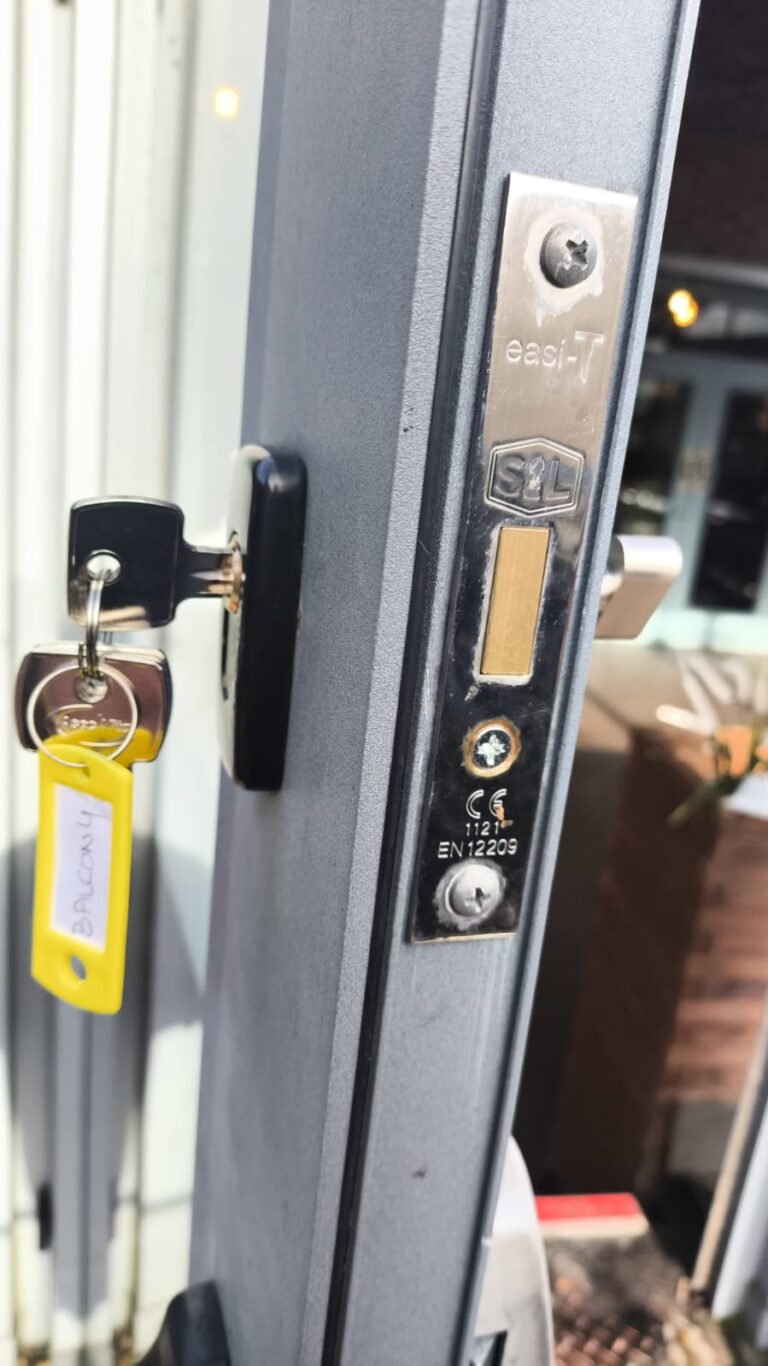
Using an accredited, professional locksmith ensures that security hardware is installed correctly, complies with insurance mandates, and protects the property against forced entry methods like lock-snapping.
Six Crucial Tips for Selecting a Safe and Professional Locksmith
1. Look for Third-Party Accreditations and Police-Approved Standards
Given the lack of statutory licensing in the UK, third-party accreditations are the primary way to verify a locksmith’s competence and integrity. Consumers should prioritize technicians accredited by the Master Locksmiths Association (MLA). The MLA acts as a self-regulating authority by subjecting its member companies to a rigorous three-pronged vetting process:
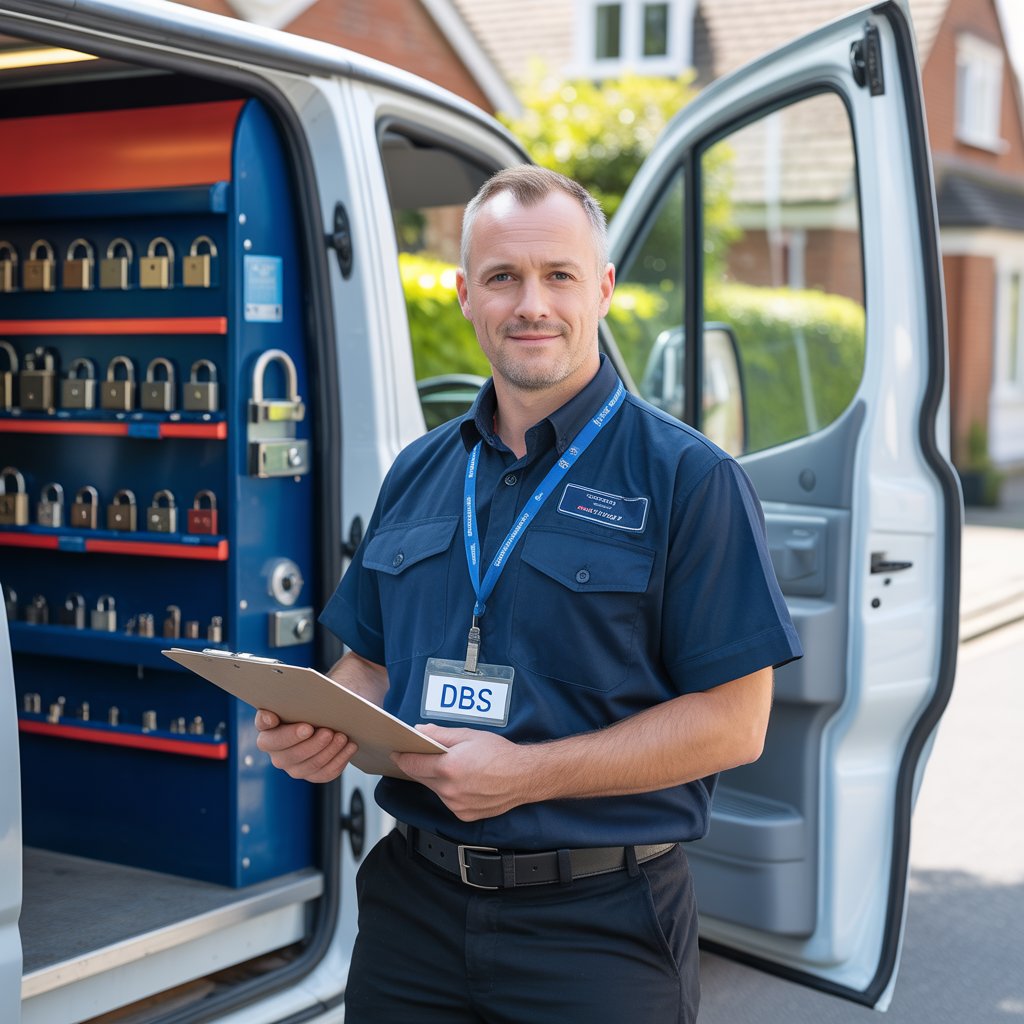
- Vetting: All technicians must pass standard DBS (Disclosure and Barring Service) background checks to verify they have no criminal record.
- Inspection: Member businesses undergo regular physical inspections to ensure their work meets high professional standards.
- Qualification: Technicians must pass formal exam modules, such as the ABBE Level 4 Certificate in General Locksmithing, to prove their technical skills.
Additionally, consumers should check if the locksmith is endorsed by police-approved frameworks like Secured by Design or recognized consumer schemes such as Trading Standards Approved (Buy With Confidence).
Need Immediate Security Help?
Talk directly to an expert local locksmith for a free, transparent quote and rapid mobile assistance.
07391 815690
(Direct line to Phillip Aylen—open 24/7)
piplockoutlocksmith@gmail.com
(Messages are personally evaluated and answered within one business hour)
2. Obtain At Least Three Detailed Quotes for the Required Security Work
To avoid overcharging and hidden fees, it is highly recommended to obtain detailed quotes from at least three different locksmith businesses before agreeing to any work. Locksmith pricing can vary significantly based on location, time of day, lock type, and the complexity of the job. When requesting a quote, property owners should ask for a full breakdown that includes:
- Labor Charges: Clarify whether the rate is a fixed fee for the job or an hourly rate, and confirm what happens if the work takes longer than expected.
- Hardware and Parts: Request standard pricing for replacement locks, cylinders, or gearboxes, ensuring the quote specifies the brand and security standard (e.g., British Standard BS3621).
- VAT: Confirm whether the quoted price includes or excludes VAT, as some small-scale local operators are not VAT-registered.
- Call-Out Fees: Ask if there is a separate call-out charge, particularly for out-of-hours or emergency calls, and clarify what that fee covers.
3. Prioritize Genuinely Local Independent Locksmiths Over National Call Centres
Many highly visible online locksmith advertisements are run by national call centers rather than local businesses. These call centers use localized search terms and heavy advertising spend to capture leads, which they then outsource to subcontracted technicians in the area. This practice can introduce several issues for consumers:
- Higher Costs: National call centers typically charge high commission fees, which are passed on to the customer in the form of inflated prices.
- Lack of Accountability: Subcontractors may not carry the same local reputation or commitment to service quality as an independent local business.
- Inconsistent Vetting: Call centers may not verify their subcontractors’ credentials, insurance, or training as thoroughly as a dedicated local provider.
Choosing a genuinely local, independent locksmith ensures direct communication with the technician who will perform the work. This helps ensure more accurate arrival estimates, transparent pricing, and a clear point of contact for any follow-up service.
4. Beware of Deceptive Low-Price Advertisements and Surcharges
A common tactic among rogue operators is advertising incredibly low starting rates, such as “from £39” or “from £49”. These low prices are often used as a bait-and-switch hook. Once the technician arrives on-site, they may claim the job is far more complex than expected or that the existing lock must be drilled out and replaced.
The customer is then presented with an inflated bill containing unexpected surcharges, expensive replacement hardware, and high labor fees.
Reputable locksmiths rarely offer incredibly low rates because professional training, specialized tools, and quality security hardware carry real costs. Consumers should be cautious of any quote that seems unusually cheap and confirm that the price is a firm, binding quote before the technician begins work.
5. Leverage Word-of-Mouth Recommendations and Verified Independent Reviews
Word-of-mouth recommendations from neighbors, family members, or local business owners are highly reliable ways to find a trustworthy locksmith. When these recommendations are unavailable, consumers should look for verified reviews on independent third-party platforms.
Platform-specific reviews can help assess a business’s real-world reliability:
- Checkatrade: This platform physically vets its members, verifies their insurance, and checks their credentials, making it a reliable source for local trade reviews.
- Google Business Profiles: Check the business’s overall rating, but look closely at the details in the reviews rather than just the star rating. Look for mentions of punctuality, clear communication, and adherence to the initial quote.
- Companies House: For incorporated businesses, consumers can search the Companies House register to confirm the company is active, has a history of stable trading, and is legally registered in the UK.
6. Utilize Advanced Search Techniques to Spot Virtual Address Scams on Google Maps
Rogue locksmith networks often set up fake local listings on Google Maps to appear as if they have physical offices throughout a region. They use PO Boxes, virtual offices, or residential addresses without authorization to create these listings.
To spot these virtual address scams, property owners can use the following verification steps:
- Street View Verification: Cross-reference the listed address on Google Street View. If the location is a residential home, a generic office building, or a vacant storefront with no locksmith branding, the business may not have a real physical presence there.
- Consistent Phone Numbers: Check if multiple listings across different areas use the same phone number or redirect to a single call center line.
- No Address Listed: Be cautious of listings that only show a broad “service area” without a verified physical office, as this can make it difficult to locate the business if a dispute arises.
Key Questions to Ask Before Agreeing to Any Locksmith Services
To help ensure transparency and protect against unexpected charges, consumers can use the following checklist before hiring a locksmith:
Question to Ask
Technical Reason for Asking
Is the quoted price a fixed price for the completed job?
Confirms that the price is a firm quote rather than a flexible estimate that could increase later.
Does the price include all labor, parts, and VAT?
Ensures that no unexpected fees, travel surcharges, or VAT costs are added to the final bill.
Is there a separate call-out fee, and what does it cover?
Clarifies whether the call-out fee includes the first hour of labor or is a standalone charge
Do the replacement parts carry a warranty?
Legitimate locksmiths offer clear warranties (often 12 months) on both new hardware and labor.
Will the technician attempt non-destructive entry first?
Confirms that the technician has the skills and tools to open the lock without causing unnecessary damage
Do the replacement locks comply with British Standards?
Ensures the installed locks meet home insurance requirements (such as BS3621 or TS007 3-Star)
Secure Your Property Today
Looking to upgrade your locks, repair a stiff uPVC door, or install a smart lock? Contact our friendly local team directly on 07391 815690 to discuss your security needs or request a fast emergency callout. You can also visit our Nextdoor business profile to learn more about our local locksmith services and connect with us online.